Maritime Crowdfunding: Project Types, Platforms, Risks, and How to Launch One


No time to read? Let AI give you a quick summary of this article.


We love pulling back the curtain on specialized financial ecosystems, and maritime crowdfunding is a standout example. The blue economy has quietly built a distinct, standalone fundraising niche — giving rise to specialized models across green shipping, blue-tech startups, and commercial fleets.
Unlike general consumer finance, dedicated maritime investment platforms remain relatively rare, with many campaigns still launching on generalist hubs. This gap creates a unique double-sided opportunity: new platforms can build tailored infrastructure for this untapped space, while operational maritime businesses can benchmark existing campaign models for fresh fundraising inspiration.
In this article, we break down how maritime crowdfunding works, the project types and campaign models shaping the market, and the key platforms operating in the space today.
What you will learn in this post:
What types of maritime projects raise funds?
Although yacht ownership often attracts the most attention, crowdfunding supports a much broader range of maritime ventures.
Yacht charter and boating businesses
Many campaigns finance companies rather than individual vessels. These businesses may operate charter fleets, booking marketplaces, marina services, or boating technology.
easyBoat
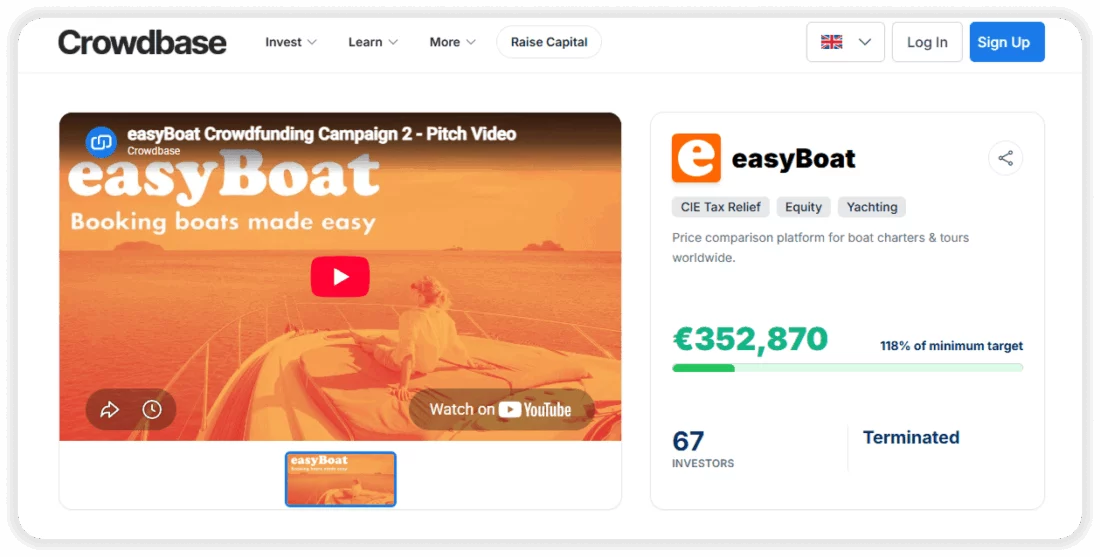
For example, easyBoat1 completed two successful equity crowdfunding campaigns on Crowdbase. The company, which operates a yacht charter price comparison platform, raised capital to expand internationally, develop mobile applications, increase marketing efforts, and grow its fleet listings.
Borrow A Boat
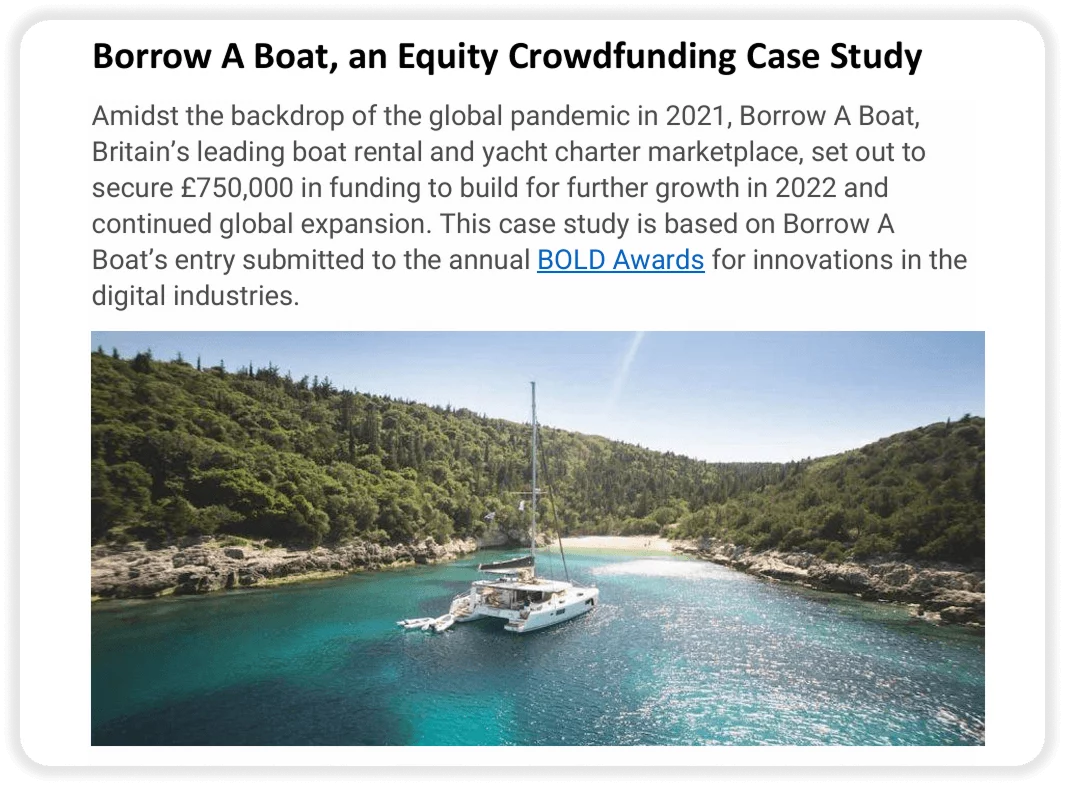
Borrow A Boat2, often described as the “Airbnb of boats,” also used equity crowdfunding alongside venture capital and private investment to finance its international expansion. The company previously raised millions of pounds through multiple funding rounds3 while growing its marketplace to tens of thousands of boats worldwide.
Yacht ownership and syndicates
Some projects divide ownership of a yacht into shares4. This allows several investors to purchase fractional interests instead of acquiring an entire vessel.
These structures are called yacht syndicates or fractional ownership programs. Investors typically expect returns from:
- Charter income;
- Appreciation of the vessel;
- Eventual resale proceeds.
In practice, however, fully regulated crowdfunding platforms dedicated exclusively to yacht syndicates remain uncommon. Many fractional ownership opportunities are still offered privately or through specialized investment firms, such as Yacht Share.
Yacht Share
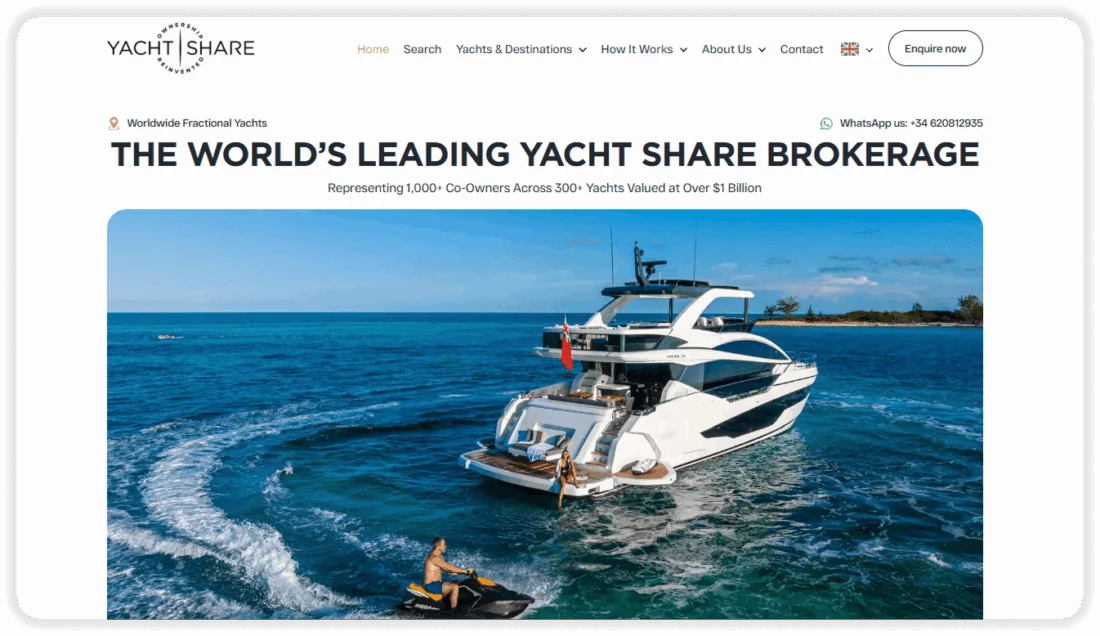
Yacht Share5 is a fractional yacht ownership brokerage that enables multiple investors to co-own a luxury yacht through equity shares. Each vessel is typically divided among four to eight owners, with purchase costs and ongoing expenses shared proportionally. The company also manages scheduling, maintenance, and day-to-day operations.
Marine technology
Marine startups frequently use crowdfunding to finance product development.
Campaigns may include:
- Autonomous vessels6
- Marine software & navigation systems7
- Safety equipment8
- Sustainable propulsion technologies9
These projects often resemble technology startup campaigns more than traditional shipping investments.
Community boating projects
Local organizations also raise money for:
These campaigns usually rely on donation or reward-based crowdfunding rather than investment models.
Maritime crowdfunding platforms
Unlike property crowdfunding, maritime crowdfunding has relatively few specialized investment platforms. Here are the most well-known of them.
WeForSea
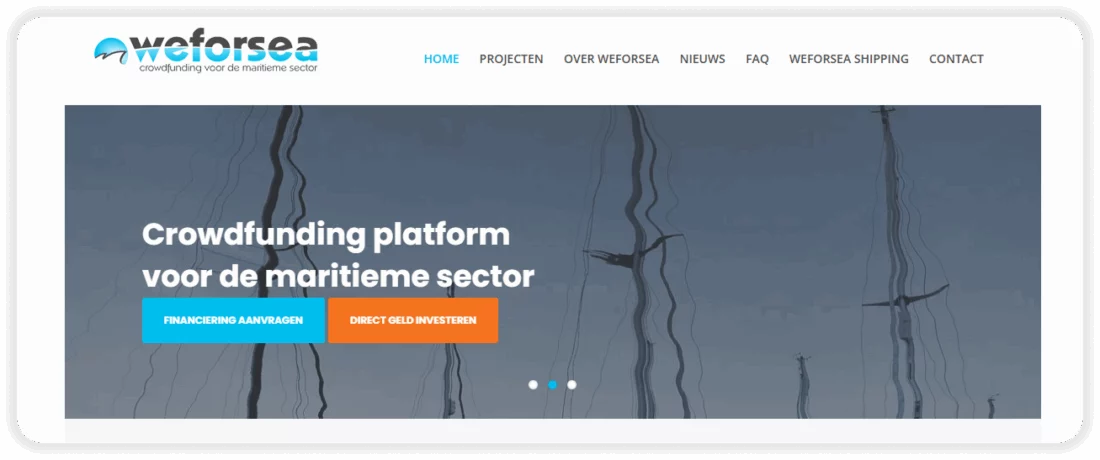
WeForSea14 is one of the few crowdfunding platforms dedicated specifically to the maritime and fisheries sectors. Based in the Netherlands, it connects businesses seeking capital with private and business investors, primarily financing “blue economy” projects through loan-based crowdfunding in partnership with Crowdpartners.
The platform supports companies involved in sustainable shipping, fisheries, aquaculture, and other marine industries, with campaigns typically open to retail investors.
Depending on the project, minimum investments generally start at around €250, making maritime investments accessible to a broader investor base, while there is usually no fixed maximum investment for eligible investors.
Water Revolution Foundation
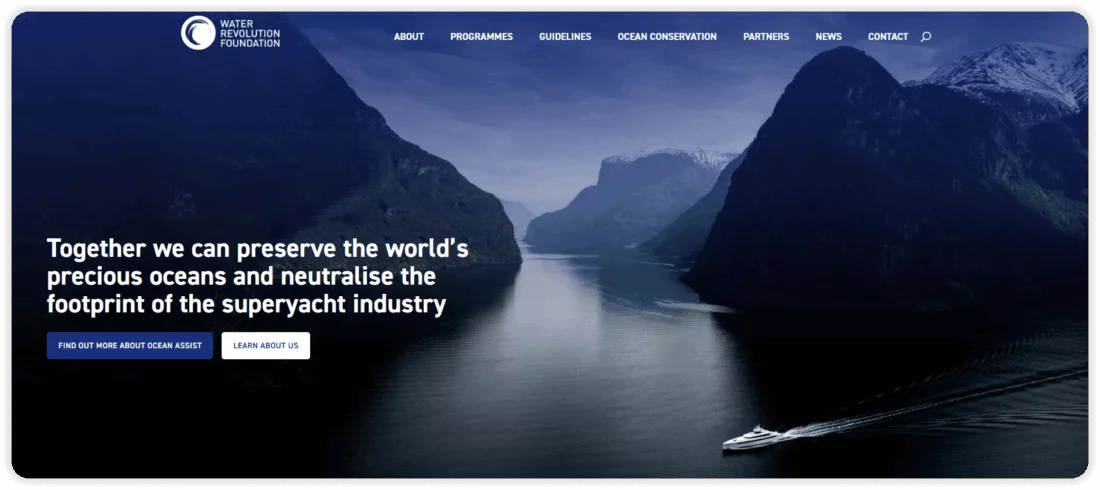
Water Revolution Foundation15 is a nonprofit organization that promotes sustainability in the superyacht industry. While it is not a traditional investment crowdfunding platform, it runs public fundraising initiatives, including raising funding for scientifically verified ocean conservation and marine restoration projects.
The foundation enables yacht owners, businesses, and individuals to financially support vetted “blue” projects focused on restoring marine ecosystems and protecting biodiversity. Contributions are donation-based rather than investment-based, meaning supporters do not receive equity or financial returns. Instead, they receive transparent reporting on the environmental impact of the projects they help fund.
Oneida
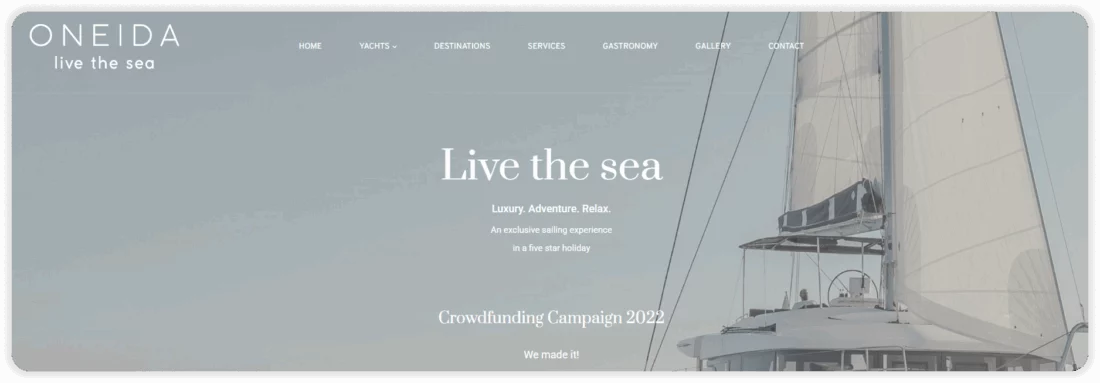
Oneida16 is a maritime-focused initiative that explores crowdfunding as a financing model for marine businesses and innovation.
Rather than operating as a large-scale crowdfunding marketplace, it promotes crowdfunding as an alternative way to support maritime ventures, connecting entrepreneurs with investors interested in marine projects. The initiative advocates the use of collective financing to help startups and established companies fund vessel construction, marine technology, sustainable shipping solutions, and other blue economy projects that may struggle to secure traditional financing.
In addition to showcasing crowdfunding opportunities, Oneida provides educational resources on how maritime businesses can structure and launch successful fundraising campaigns.
Frequently Asked Questions
How is maritime crowdfunding regulated?
Regulation depends on the financial model (equity, debt, or donation), not the maritime theme. Equity and debt fall under standard securities laws (e.g., ECSPR in the EU; Reg CF/Reg A+ in the US), while donation models have fewer legal hurdles. There is no special “maritime license.”
What is the difference between fractional ownership and yacht crowdfunding?
Fractional ownership is a private co-ownership arrangement among a small group. Yacht crowdfunding uses digital platforms to offer standardized investment terms on similar assets to a much broader pool of investors.
Can investors lose money in yacht crowdfunding?
Yes. Capital is not guaranteed. Investors face operating losses, unexpected maintenance costs, seasonal charter vacancy, asset depreciation, borrower defaults, and illiquidity.
Are maritime crowdfunding investments liquid?
Generally, no. Secondary markets for private maritime equity or fractional shares are rare. Investors should expect fixed holding periods and limited transferability.
Can donation crowdfunding be used to buy a yacht?
In theory, yes, but in practice, no. Donation models require a clear public, environmental, or community benefit. They suit ocean conservation and community sailing clubs, not private luxury assets.
Why are dedicated maritime platforms so rare?
The investor niche is smaller and more fragmented than mainstream assets, and operational economics (maintenance, chartering, vessel wear) are complex. This gap, however, presents an opportunity for specialized software platforms.
How long does it take to launch a maritime platform?
It depends on legal licensing and tech setup. Using white-label software drastically shortens technology implementation, though securing regulatory licenses and payment rails remains the main timeline driver.
How to launch a marine crowdfunding platform with LenderKit
As maritime crowdfunding continues to evolve, there is growing potential for platforms focused on specific segments such as yacht ownership, marine technology, sustainable shipping, fisheries, or ocean conservation.
Launching a successful maritime crowdfunding portal isn’t about building a generic marketplace with an ocean aesthetic, you need dedicated software covering end-to-end investor onboarding, capital raising and deal management.
Here is where LenderKit can help.
It provides white-label crowdfunding software that enables businesses to launch their own investment platform without building the technology from scratch.
The software supports multiple crowdfunding models, including equity, debt, and donation-based campaigns, making it suitable for a wide range of maritime projects.
Platform operators can onboard investors, manage fundraising campaigns, handle compliance workflows, process investments, and monitor campaign performance through a single system.
To discuss options or see how the product works, please get in touch with our team.
Article sources:
- EasyBoat Crowdfunding campaign - Crowdbase
- PDF (https://comcomms.com/wp-content/uploads/2026/01/Borrow-A-Boat-case-study.pdf)
- Borrow A Boat Raises £1,056,264 | Business PR Agency London |...
- Just a moment...
- Home - The Yacht Share Network | Yacht Syndicates | Yacht Fractions
- Home | Robot Boat Project
- Marine technology company Savvy Navvy has just closed crowdfunding
- Croudfunding – SeeSafe
- Investors | Fluidity Marine — $5M Seed Round
- Crowdfunding - Newhaven & Seaford Sailing Club
- Impact | Community Boating Center, Inc.
- Eagle Harbor Sail Float | Bainbridge Island Parks & Trails Foundation
- Celebrating 80 Years! - Community Boating Incorporated
- Home - Weforsea
- Home – Water Revolution Foundation
- Crowdfunding - ONEIDA